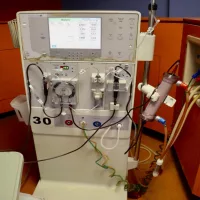
The LBJ Tropical Medical Center (LBJTMC) has acquired 10 additional advanced dialysis machines.
A press release from LBJ says this is in direct response to the increasing demand for dialysis services within the community, which will significantly improve the health and well-being of residents.
Dr. Akapusi Ledua, the Chief Executive Officer of the LBJTMC, said the investment in these state-of-the-art machines, which offer faster and more efficient dialysis treatments, amounted to $247,500.
Three of the ten machines were acquired in April, and seven were received this month.
Dr. Ledua said, “The successful acquisition of these machines was made possible through the generous support of the American Samoa Government’s annual subsidy, which we sincerely appreciate.”
He added, “This comes in response to the rising number of individuals grappling with chronic diseases, which has led to an escalating demand for dialysis services.
“This investment in cutting-edge dialysis machines is a testament to LBJTMC’s unwavering dedication to providing essential healthcare services for the people of American Samoa.”
Mrs. Olita Ta’afiti, the Head Nurse of the Dialysis Clinic, extends her gratitude to the hospital management and Board of Directors for their decision to invest in essential life-saving dialysis equipment.
“Currently, our healthcare facility provides care for over 200 dialysis patients, necessitating a 22-hour service operation. To meet this demand, we are currently utilizing 39 dialysis machines.
“Our service schedule includes four shifts on Monday, Wednesday, and Friday and three shifts on Tuesday, Thursday and the weekend.”
“As the number of individuals requiring dialysis treatment continues to increase, it is vital for us to obtain additional equipment to ensure that we can effectively address the healthcare needs of our patients at the LBJ hospital,” said Mrs. Tafiti.
The Head Nurse also took the opportunity to remind dialysis patients about the importance of following a specific diet. It’s crucial for dialysis patients to be mindful of their dietary choices and to limit alcohol consumption.
She said there have been more than 30 additional patients since January of this year.
“The dietary requirements for individuals undergoing dialysis may vary based on the dialysis modality. Generally, patients on dialysis are advised to closely monitor and restrict their sodium, phosphorus, and potassium intake.”
These limitations are vital for maintaining the proper balance of these elements in the body, which is essential for overall health and well-being, as Mrs. Tafiti emphasizes.


