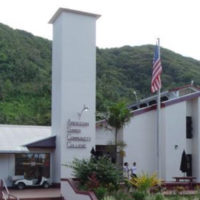
The President of the American Samoa Community College has clarified that the increase in tuition rates which have been implemented for the Fall Semester were approved by the Board of Higher Education awhile ago.
Dr Rosevonne Pato said a public hearing on the fee increase was held back in December.
The tuition for resident students is now $150, up from $110 per credit while non resident students pay $160, up from $120.
The increase is to support the operations of the College and a pay raise for teachers, which was planned even before the DOE teacher pay raise.
Dr Pato said the college had planned for the teacher pay increase to be sustainable through the tuition and fee increase.
ASCC has not yet implemented a reclassification for teachers/faculty as it must secure a funding source.
Dr Pato said the Governor has given a verbal recommendation of his support and ASCC is awaiting this funding from the Governor before any reclassification in pay schedule can occur.
As committed by the Governor, the funding will cover the pay hikes for teachers only in the current fiscal year.
Dr Pato said, “We await that receipt of funds at this time. The funding for the reclassification of all other employees of ASCC will take effect in the new fiscal year upon receipt of funding from the governor.”
Yesterday Senate President Tuaolo Fruean said Acting Governor Talauega Eleasalo Ale told him and the House Speaker that the administration was submitting a $12 million supplemental bill to raise salaries of the college, doctors and nurses.
According to the college president, due to the immediate implementation of the ASDOE teacher salary increase, ASCC has had to adjust salaries of teachers at a higher level than planned for.
“Higher education salaries at the national level are always higher than the K-12 pay scale. It would be a disservice to the faculty of ASCC to be at a lower or equal pay scale. For this reason, the College is waiting until the tuition increase becomes effective,” said Dr Pato.
She added, “ASCC must look at other credentials besides degrees for determination of the salary hike. Faculty who have a degree, certification, credentials, and are teaching within their content area are classified accordingly.”
The ASDOE salary hikes are funded by grants from the US Dept of Educstion.
Asked if the raises for college faculty will also be funded with federal grants, Dr Pato said, “ASCC does not have federal grants to support this pay increase and it would not be able to sustain the reclassification with grant funds.”
She explained that the source of funding for ASCC has been and is mainly through student tuition and fees.
“The challenge that ASCC faces is that without a consistent funding source for reclassification, only the teacher salaries can be put into effect and be sustained through the years,” she noted.
“Another challenge ASCC continues to face each year is that student financial assistance (PELL Financial aid) is received 3 times in an academic year. In the Fall (September-October), in the Spring (February-March), and in the summer (June). ASCC as a semi-autonomous authority of ASG does not generate revenue on a daily or monthly basis unlike the other semi-autonomous agencies.”


