Samoa’s Electoral Court has said it is not bound by strict legal rules when deciding election cases and must act to protect the integrity of democracy.
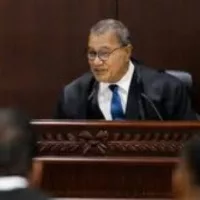
Chief Justice Satiu Simativa Perese and Justice Leiataualesa Darryl Clarke on Tuesday found Deputy Prime Minister Toelupe Poumulinuku Onesemo guilty of engaging in corrupt practices at the general elections.
In their ruling on the Falealili No.1 election petition the judges said election cases are different from ordinary civil disputes and require a wider approach to uncover the truth and maintain public confidence in elections.
The court relied on section 115(4) of the Electoral Act, which allows it to decide matters “in a manner that is just,” including ruling on issues that arise during a case and determining the validity of votes.
it also pointed to section 118, which allows the court to prioritize justice over strict technical rules and consider evidence that may not normally be admitted in other courts.
The court further cited section 126, which gives it the power to summon and examine witnesses directly, even if they are not called by either party.
Using these powers, the court said it was entitled to rely on sworn affidavits from witnesses, despite most failing to appear in court.
It noted that subpoenas were issued, but the majority of witnesses did not attend, and said this did not prevent it from determining the case.
On fairness, the court said the right to cross-examine witnesses is important, but noted the defendant, Deputy Prime Minister Toelupe Poumulinuku Onesemo, chose not to call evidence to challenge the claims, leaving the affidavits largely untested.
The court said election cases must focus on substance over procedure, warning that technical rules should not be used to avoid accountability in matters affecting the democratic process.
It also reaffirmed that a single act of bribery is enough to void an election.
The case was brought by HRPP candidate Tuiloma Tusa Laniselota Lameko against Deputy PM Toelupe, with the court voiding his election after finding bribery had been proven beyond a reasonable doubt.


