Local farmers have welcomed the decision by the Department of Education to lift the ban on locally grown produce for the School Lunch Program.
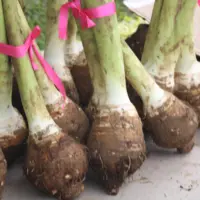
The President of the American Samoa Farmers Cooperative Senator Tuanaitau Malaki, said last month the School Lunch Program began accepting taro and bananas. School Lunch is still not accepting locally grown vegetables.
In July, local farmers were informed that the School Lunch Program would not accept locally grown produce in the new school year, which started in September, until all farms are inspected and certified.
DOE Director Maefau Dr. Mary Taufetee explained at the time that the department was making this move following the discovery of unsafe practices in some local farms—for example, the use of insecticides to hasten the ripening of produce, use of unauthorized pesticides, unsanitary conditions on farms, and similar violations.
Local supplier were required to undergo pesticide training by the American Samoa Environmental Protection Agency and training on the use of fertilizers and compost by the Department of Agriculture. Their farms must pass an inspection by the Environmental Health Services Division of the Department of Health. Another requirement was that all farm workers have health cards.
The President of the American Samoa Farmers Coop was thankful that DOE has begun accepting taro and bananas for the School Lunch Program again. He said their members were finding it difficult to sell their produce so being able to supply the School Lunch program is a great help.
A spokesperson for the School Lunch Program said the supply of taro and bananas is to cover the period before school breaks for the Christmas and New Year holiday. And DOE will put out a new bid for locally grown produce early next month.


