When you pay your phone bill each month, you’ll notice there’s a fee for the Universal Service Fund.
Telecommunications carriers contribute a portion of their revenues to this Fund, which is administered by the Federal Communications Commission.
Since it was created in 1996 the Universal Service Fund has connected schools and libraries to high-speed internet; helping rural hospitals adopt telemedicine; ensuring low-income households have basic communications services; and investing in broadband in communities that need it most.
For American Samoa, from 2022-2024 schools 66 schools and one library received $3.1 million for broadband connectivity and internal connections under the E-rate Program.
Under the Lifeline Program which subsidized basic phone and internet for low income households, 2002 subscribers received discounted phone and or internet service.
In 2023, carriers in American Samoa received $2,993,607 to connect households to high speed internet.
The Federal Communications Commission has announced that the Universal Service Fund is now under threat as a result of a ruling by the Fifth Circuit Court of Appeals, which said that the current administration of the Fund is unconstitutional.
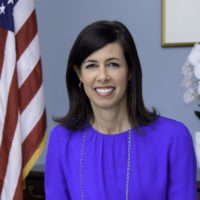
FCC Chairwoman Jessica Rosenworcel called the decision “misguided and wrong,” because it “upends decades of bipartisan support for FCC programs that help communications reach the most rural and least-connected households in our country, as well as hospitals, schools, and libraries nationwide.”
Chairwoman Rosenworcel has said the agency will pursue all available avenues for review.
KHJ News reached out to the CEOs of BlueSky and ASTCA for comments regarding the FCC announcement, but they have not responded.


