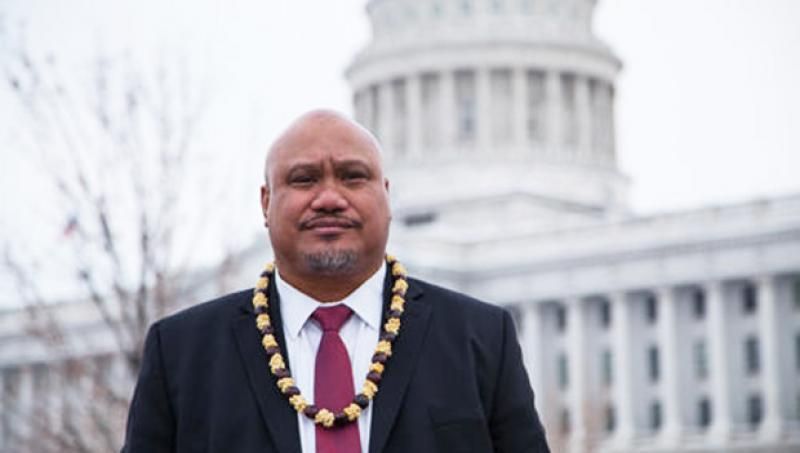
American Samoa and its leaders have won a huge victory in the Fitisumanu citizenship case on appeal in the 10th US Circuit Court in Denver. KHJ News Washington DC corr. Matt Kaye has the breaking story…
The Appeals Court reversed a Utah District Court ruling that would have forcibly imposed constitutional birthright citizenship on American Samoans.
The appellate court in Denver heard arguments in the case in September, taking almost nine months to reach its decision against John Fitisumanu, Pale and Rosavita Tuli and the Southern Utah Pacific Islander Coalition.
The Denver appeals court, ruling in favor of the US, ASG and Uifa’atali Amata Radewagen, wrote that neither the constitution nor Supreme Court precedent “demands the district court’s interpretation of the Citizenship Clause of the Fourteenth Amendment.”
“We instead recognize,” the appeals court wrote, “that Congress plays the preeminent role in the determination of citizenship in unincorporated territorial lands,” adding the courts play a “subordinate role.”
The Court also wrote that precedent and historical practice require “circumstances in the territory be considered” in “determining the reach of the Citizenship Clause.”
“It is evident the wishes of the territory’s democratically elected representatives, who remind us their people have not formed a consensus in favor of American citizenship, and urge us not to impose (it) on an unwilling people from a courthouse thousands of miles away, have not been taken into adequate consideration.”
The Court wrote, “These circumstances advise against the extension of birthright citizenship to American Samoa.”
Therefore, the appellate judges concluded, “We reverse.”
Uifa’atali Amata issued a statement immediately after the momentous ruling, that Fitisumanu could still appeal to the Supreme Court, thanking the Appeals Court judges for respecting, “the people of American Samoa and the Samoan Way.”
The Congresswoman also thanked the attorneys who worked on the case, for preserving “our family land and matai heritage.”
“This is truly a blessing,” Amata said, and “should set this issue to rest.”
Click here for the full rulingCourt-of-Appel-ruling-


