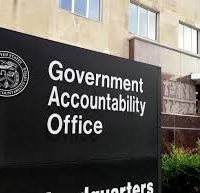
The General Accountability Office report on the impacts of the minimum wage increases on American Samoa gives employees and employer insights on how they have been impacted positively and negatively by the wage hikes.
The GAO says multiple employers and workers they met with state that increasing the minimum wage would have a positive impact on the livelihood of workers.
A worker said that minimum wage increases have helped offset the increasing prices of imported products and excise tax products.
Another said that minimum wage hikes help people meet their community and chuch financial obligations.
Some employers and workers noted that minimum wage increases improve customers ability to pay bills and their likelihood of using necessary services.
Others opined that wage hikes could lead to a potential negative impact on Starkist Samoa. Multiple workers told GAO that such impact could result in a loss of jobs and increases in shipping costs, among other things.
Some public employers were concerned that minimum wage increases coud lead to the closure of the remaining cannery and one of them stated that the potential closure was the main factor in the minimum wage increase discussion.
One public worker said that StarKist Samoa closing the remaining cannery is a major concern because the company is the main source of tax revenues.
Another added that having already seen a cannery close after minimum wage increases has raised concerns that it might happen again with StarKist Samoa.
In addition, a private employer said that after the Samoa Tuna Processors cannery closed in 2015, the employers retail sales decreased sharply and the ecnomy now relies on the remaining cannery StarKist Samoa.
The report states some employers and workers noted that a higher minimum wage could lead to increased recruitment and retention.
For example multiple employees noted the challenges of recruiting and retaining skilled workers given the low wages on the island which often compel such workers to leave the island for better opportunities.
One employer said that it could not recruit without minimum wage increases.
Another employer stated that even low paid workers often leave the island to obtain better pay in higher paying countries.
Some employers and workers noted that the lack of staff, especially nurses and teachers has led to challenges, such as a negative impact on healthcare and education on the island.
One of these employers stte that the minimum wage is too low and there is a lack of good teachers on the island.
This employer was upset that the local school did not have a math teacher, noting that teachers leave or simply do not come to work because the pay is too low.
One of these workers stated that nurses have moved off island because their pay is too low and because overwork has contributed to potential health hazards.
Some employers and workers were concerned about the brain drain effect on youth.
They told GAO that the current minimum wage was insufficient to keep younger American Samoans on the island, especially those who are college educated.
For example, an employer stated that there is a lack of young talent because there are no jobs on the island and the pay is low.
Another employer states that some American Samoans earn degrees abroad and come back to American Samoa, but find that they cannot advance their careers on the island and leave again after 1-2 years.
Some workers GAO met with spoke as parents about their children leaving the island, and became emotional upon sharing that they did not anticipate their children returning.


